Healthy Diet Plan to Lose Weight (A Practical, Sustainable Guide)
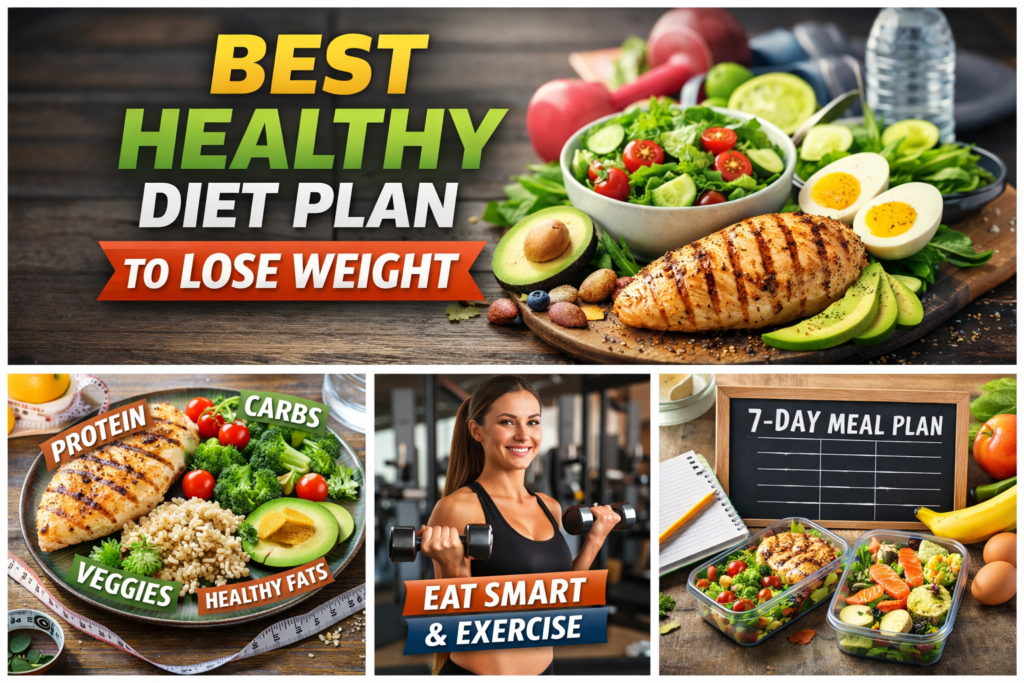
Losing weight is one of the most common health goals in the world. But let’s be honest — it’s also one of the most confusing. Every week there’s a new trend: keto, detox teas, juice cleanses, intermittent fasting, no-carb diets, and extreme calorie cutting.
The truth? Most people don’t fail because they lack motivation. They fail because they follow plans that are too strict, unrealistic, or unsustainable.
A healthy diet plan to lose weight should feel doable. It should fit into your daily life, your budget, and your culture. It should help you build long-term habits — not just lose a few pounds temporarily.
In this guide, I’ll walk you through a balanced, science-backed, and practical diet plan that works globally — built around foods easily available in large grocery chains and supermarkets worldwide. No starvation. No extreme rules. Just smart eating.
Why Most Weight Loss Diets Don’t Work
Before building the right plan, let’s understand the mistakes people make:
- Eating too little (crash dieting)
- Skipping meals
- Cutting entire food groups
- Drinking calories without realizing it
- Following social media trends without understanding nutrition
- Expecting fast results
According to the Centers for Disease Control and Prevention, a safe and sustainable rate of weight loss is about 1–2 pounds (0.5–1 kg) per week. Slow progress is actually healthy progress.
If you lose weight too fast, you often lose muscle and water — not just fat. And most of it comes back.
So instead of looking for a “quick fix,” let’s build a foundation.
Step 1: Understand Calorie Balance (Without Obsessing)
Weight loss happens when your body burns more energy than it consumes. This is called a calorie deficit.
But this does NOT mean starving yourself.
Most adult women need roughly 1,800–2,200 calories per day to maintain weight.
Most adult men need around 2,200–2,800 calories per day.
To lose weight safely:
- Reduce 300–500 calories daily
- Combine it with light physical activity
This small adjustment creates steady fat loss without slowing your metabolism too much.
The key word here is moderation.
Step 2: Follow the Balanced Plate Formula
Instead of counting every gram, use this simple plate method:
- 50% Vegetables
- 25% Lean Protein
- 25% Healthy Carbohydrates
- Small portion of Healthy Fats
This structure automatically controls calories and keeps you full longer.
Why it works:
- Vegetables are low in calories but high in fiber.
- Protein reduces hunger and preserves muscle.
- Healthy carbs provide energy.
- Fats support hormones and satisfaction.
Simple. Balanced. Effective.
Step 3: What to Eat (Simple Grocery-Friendly Foods)
You can find these foods in major supermarkets like Walmart, Costco, Target, and similar stores globally.
🥩 Lean Protein Options
- Chicken breast
- Turkey
- Eggs
- Greek yogurt
- Salmon
- Tuna
- Tofu
- Lentils
- Beans
- Cottage cheese
Protein keeps you full and reduces cravings. Aim for protein at every meal.
🥦 Vegetables (Eat Freely)
- Spinach
- Broccoli
- Carrots
- Zucchini
- Bell peppers
- Cucumber
- Green beans
- Cauliflower
- Leafy greens
The more colorful your plate, the better.
🍚 Healthy Carbohydrates
Carbs are NOT the enemy. The type matters.
Choose:
- Brown rice
- Quinoa
- Oats
- Sweet potatoes
- Whole wheat bread
- Whole grain pasta
- Beans
- Fruits
Limit:
- White bread
- Sugary cereals
- Pastries
- Refined snacks
🥑 Healthy Fats (Small Portions)
- Avocado
- Almonds
- Walnuts
- Chia seeds
- Flax seeds
- Olive oil
- Peanut butter (natural)
Healthy fats are calorie-dense, so control portions — but don’t eliminate them.
Step 4: Sample 7-Day Healthy Diet Plan
Here’s a simple structure you can rotate weekly.
Breakfast Options
- Oatmeal + berries + chia seeds
- Greek yogurt + nuts + honey
- Scrambled eggs + whole wheat toast
- Smoothie (spinach, banana, protein powder)
- Cottage cheese + fruit
Lunch Options
- Grilled chicken salad with olive oil dressing
- Turkey sandwich (whole grain bread)
- Quinoa bowl with roasted vegetables
- Tuna salad with mixed greens
- Lentil soup + side salad
Dinner Options
- Baked salmon + broccoli + brown rice
- Stir-fried vegetables + tofu
- Grilled chicken + sweet potato
- Lean beef + green beans
- Chickpea curry + brown rice
Healthy Snack Ideas
- Apple with peanut butter
- Handful of almonds
- Boiled eggs
- Greek yogurt
- Protein smoothie
- Carrot sticks + hummus
Snacks should prevent overeating — not replace meals.
Step 5: Hydration and Liquid Calories
Many people drink hundreds of calories daily without noticing.
Avoid:
- Soda
- Sweetened coffee drinks
- Energy drinks
- Sugary juices
Drink:
- Water (8–10 glasses daily)
- Herbal tea
- Black coffee (no sugar)
Hydration also improves digestion and reduces false hunger signals.
Step 6: Add Movement for Better Results
Diet plays the biggest role, but physical activity accelerates results.
The World Health Organization recommends at least 150 minutes of moderate activity per week.
You don’t need a gym.
Try:
- Brisk walking (30 minutes daily)
- Cycling
- Swimming
- Home workouts
- Bodyweight exercises
Even small daily movement improves fat loss.
Step 7: Portion Control Made Simple
Use your hand as a measurement tool:
- Protein = Palm size
- Carbs = Cupped hand
- Fats = Thumb size
- Vegetables = Two fists
This method works anywhere — no scale needed.
Step 8: Avoid These Common Weight Loss Mistakes
❌ Skipping breakfast
❌ Cutting carbs completely
❌ Eating too little protein
❌ Emotional eating
❌ Late-night junk snacking
❌ All-or-nothing mindset
Consistency beats perfection every time.
Step 9: How Long Will It Take?
Healthy fat loss is gradual.
Week 1–2:
- Water weight drops
- Less bloating
Week 3–6:
- 1–2 pounds per week
- Clothes fit better
Month 3+:
- Visible body change
- Better energy
- Improved confidence
Fast results fade fast. Slow results last.
Step 10: Mindset — The Hidden Key
Weight loss is not just physical.
It’s emotional.
It’s behavioral.
It’s psychological.
Focus on:
- Progress over perfection
- Building habits
- Eating mindfully
- Sleeping 7–8 hours
- Managing stress
When stress is high, cravings increase. Sleep and mental health matter more than people realize.
Budget-Friendly Healthy Eating Tips
Healthy eating does not have to be expensive.
Affordable options:
- Eggs
- Oats
- Frozen vegetables
- Canned tuna
- Brown rice
- Beans
- Lentils
- Chicken thighs
Buying in bulk from wholesale retailers like Sam’s Club can reduce costs significantly.
Meal prep once or twice per week to save money and avoid impulse eating.
The Bottom Line
A healthy diet plan to lose weight is not about extreme rules.
It’s about:
✔ Balanced meals
✔ Smart portions
✔ Whole foods
✔ Hydration
✔ Movement
✔ Consistency
There is no magic pill.
No miracle tea.
No overnight transformation.
Real change happens through daily discipline.
If you focus on small improvements every day — better breakfast, more vegetables, more water, short walks — the results will come naturally.


0 Comments